Braces vs Invisalign in 2026: Which Orthodontic Treatment Actually Matters Most?
If you are thinking about straightening your teeth in 2026, chances are you have already searched one question over and over again:
Should I get braces or Invisalign?
It is one of the most common orthodontic questions on Google, TikTok, Reddit, and YouTube right now. Patients want to know which option is faster, less painful, more effective, more affordable, and better for long-term results.
The truth is that orthodontics has changed dramatically over the last few years. Invisalign technology is far more advanced than it used to be, braces are smaller and more comfortable, and digital treatment planning has transformed the way orthodontists move teeth.
That means the old advice patients used to hear about braces and Invisalign is no longer completely accurate.
In 2026, both treatment options can create incredible smile transformations. The real question is not which treatment is “better” overall, it is which treatment is best for your teeth, bite, lifestyle, and goals.
What Is the Difference Between Braces and Invisalign?
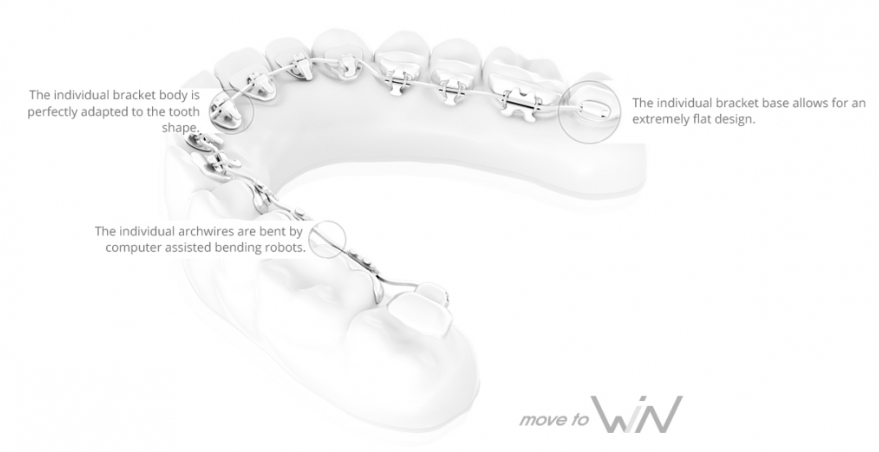
Traditional braces use brackets and wires attached to the teeth to gradually move them into alignment. The pressure is continuous because braces stay on the teeth 24 hours a day throughout treatment.
Invisalign works differently. Instead of brackets and wires, patients wear a series of custom-made clear aligners that slowly shift the teeth over time. The aligners are removable and are usually changed every one to two weeks.
Both options can successfully straighten teeth and improve bite problems. However, they fit into daily life very differently, which is why choosing the right treatment matters.
Is Invisalign Better Than Braces?
This is probably the biggest misconception online right now.
Many people assume Invisalign is automatically better because it is newer, more modern, and less noticeable. Others believe braces are always more effective because they are fixed onto the teeth.
In reality, both can produce excellent results if you are treated by an experienced clinician with many successful outcomes.
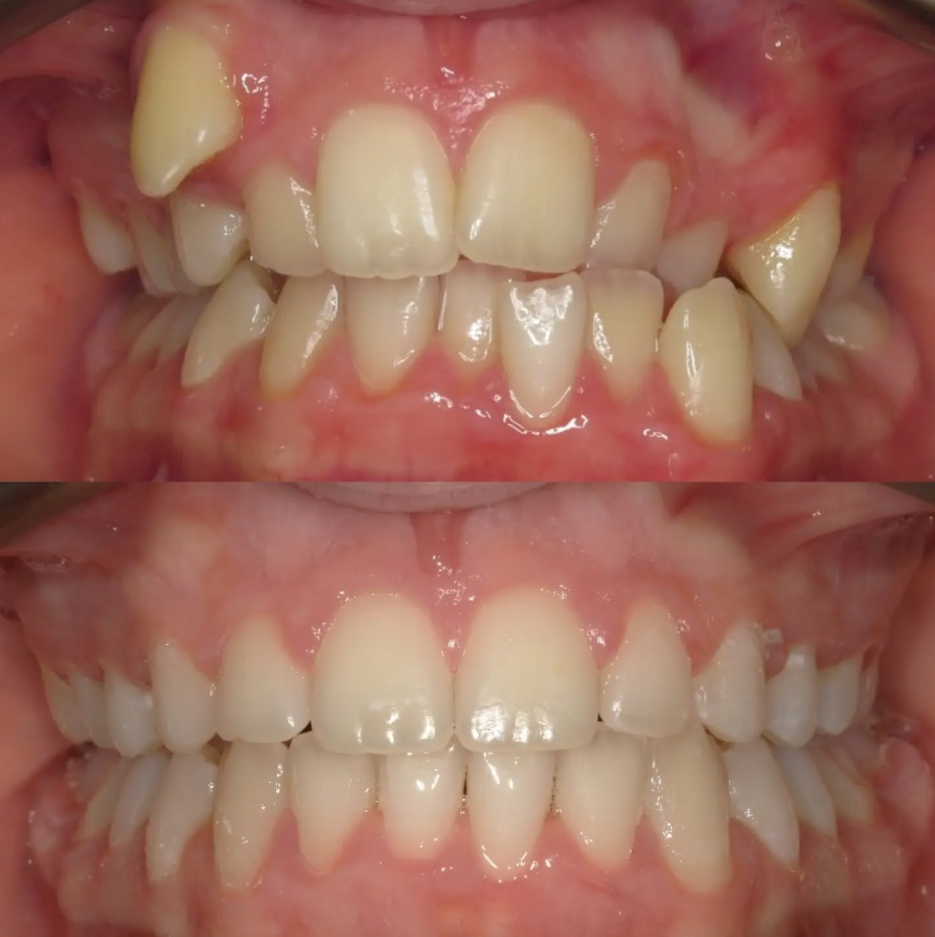
Years ago, Invisalign was mainly used for mild cosmetic cases. Today, clear aligner technology is capable of treating far more complex orthodontic issues than most people realise. Modern Invisalign systems can now correct crowding, spacing, overbites, underbites, crossbites, and many moderate to severe alignment problems.
Advancements in digital scanning, AI assisted treatment planning, and aligner materials have significantly improved how predictable clear aligner treatment has become.
However, braces still have important advantages in certain situations. For patients with difficult tooth rotations, impacted teeth, or major bite correction needs, braces may still offer more precise control.
The biggest factor often comes down to compliance. Braces are fixed onto the teeth, so they work continuously without relying on patient discipline. Invisalign only works properly when aligners are worn consistently for 20–22 hours per day.
That difference matters more than many patients expect.
Which Is Faster: Braces or Invisalign?
One of the most searched orthodontic questions in 2026 is whether Invisalign works faster than braces.
The answer is not always straight forward.
For patients who wear aligners exactly as instructed, Invisalign can sometimes move teeth very efficiently. Because aligners are digitally planned in stages, treatment can feel highly streamlined and predictable.
However, Invisalign treatment can slow down quickly if trays are not worn consistently. Removing aligners too often, forgetting them during meals, or switching trays incorrectly can extend treatment time significantly.
Braces may actually be faster in complex cases because the orthodontist has constant control over tooth movement. Since braces cannot be removed, there is less risk of treatment delays caused by inconsistent wear.
Most orthodontic treatments today fall within a similar timeframe:
Invisalign treatment often ranges between 12–24 months
Braces treatment usually ranges between 12–24 months
The complexity of the case often matters more than the appliance itself.
Do Braces Hurt More Than Invisalign?
Patients are often surprised to learn that both treatments create discomfort, just in different ways.
Braces tend to create soreness after wire adjustments and can sometimes irritate the cheeks or lips. Invisalign, on the other hand, often creates pressure and tightness when switching into new trays.
Neither treatment should cause severe pain, but some temporary discomfort is completely normal as the teeth begin moving.
Fortunately, orthodontic technology has improved dramatically. Modern braces are smaller and smoother than older systems, and Invisalign aligners are designed to fit more comfortably than earlier generations.
For most patients, the adjustment period is much easier than expected.
Which Option Looks Better During Treatment?
Appearance is one of the biggest reasons many adults choose Invisalign.
The clear aligners are discreet and often difficult to notice in photos or conversations. Adults who work in professional environments or speak publicly often prefer the subtle appearance of clear aligners.
That said, braces are not nearly as bulky as they used to be. Modern braces are much smaller and more aesthetic than older versions. Some patients also choose ceramic braces, which blend more naturally with the teeth.
Interestingly, social media trends have even made visible braces more accepted again among teenagers and younger patients. On TikTok, braces are increasingly being viewed as part of a “glow-up” journey rather than something embarrassing.
Are Braces More Effective Than Invisalign?
This depends entirely on the orthodontic problem being treated and the treating clinician.
For mild to moderate cases, Invisalign can often achieve results that are very comparable to braces. In some situations, the outcomes are nearly identical.
However, braces may still offer advantages for more complex tooth movements and difficult bite corrections. Because braces are attached directly to the teeth, orthodontists can sometimes achieve highly controlled movements more efficiently.
This is why a professional consultation with a specialist orthodontist is so important. Online comparisons cannot fully determine which system is ideal for your specific bite and alignment needs.
Is Invisalign More Expensive Than Braces?
Many patients assume Invisalign is dramatically more expensive than braces, but that is not always true anymore.
In 2026, the price difference between braces and Invisalign has become much smaller in many orthodontic practices. Costs now depend more on:
treatment complexity
treatment length
technology used
refinements required
insurance coverage
Many orthodontic offices also offer monthly payment plans and financing options that make both treatments more accessible.
The cheapest option is not always the best option if it does not fit your lifestyle or treatment needs.
Are Braces or Invisalign Better for Adults?
Adult orthodontics has become one of the fastest-growing trends in dentistry.
More adults are seeking treatment because they want:
improved confidence
better oral health
bite correction
cosmetic improvements
long-term smile stability
Many adults choose Invisalign because the aligners are discreet and removable. However, plenty of adults still prefer braces because they do not want the responsibility of keeping track of trays every day.
There is no “wrong age” to improve your smile. Healthy teeth can often be moved successfully at almost any age.
What Are the Biggest Invisalign Mistakes Patients Make?
One of the most important things patients should understand is that Invisalign treatment depends heavily on consistency.
The most common mistakes include forgetting to wear aligners long enough, removing them too frequently, or failing to wear retainers aftertreatment ends.
Unlike braces, Invisalign success relies heavily on patient cooperation. That is one reason some orthodontists still recommend braces for younger patients or anyone who may struggle with compliance.
Should You Choose Braces or Invisalign?
If you want discreet treatment with fewer food restrictions, Invisalign may fit your lifestyle better.
If you prefer fixed treatment that does not rely on remembering trays every day, braces may be the better choice.
Both systems are more advanced, more comfortable, and more effective than ever before. The most important thing is not following trends online, it is choosing the treatment that will give you the healthiest and most stable long-term result.
The best orthodontic treatment is the one you can successfully complete.
Frequently Asked Questions About Braces vs Invisalign
Can Invisalign fix severe crowding?
In many cases, yes. However, severe crowding may still respond better to braces depending on the type of movement required.
Is Invisalign faster than braces?
Sometimes, but only when aligners are worn consistently.
Are braces more painful?
Not necessarily. The discomfort is different, but both treatments are much more comfortable today than they were years ago.
Can adults still get braces?
Absolutely. Adult orthodontic treatment is more common now than ever before.
Which is more affordable?
Costs vary depending on complexity and treatment length, but Invisalign and braces are often closer in price than patients expect.
Final Thoughts
The braces vs Invisalign conversation has changed.
This is no longer simply about metal brackets versus clear aligners. Modern orthodontics offers highly advanced treatment options that can create life-changing results with either system.
What actually matters most is choosing the option that fits your teeth, your goals, your lifestyle, and your ability to stay consistent throughout treatment.
A confident smile is not created by trends, it is created by the right treatment plan for you.