Have you ever wondered why some people's teeth stick out, why others have overlapping teeth, or why certain people's upper and lower teeth don't meet properly when they bite down?
These dental alignment problems are known as malocclusions and are among the most common reasons people seek orthodontic treatment.
But what exactly is malocclusion? What is the difference between an overbite and an overjet? Can a crossbite affect your dental health? and which types of malocclusion can be corrected with braces or clear aligners?
Understanding the different types of malocclusion can help you recognise common orthodontic problems and understand the treatment options available.
In this guide, we explore the eight most common types of dental malocclusion, their causes, symptoms and how orthodontic treatment can help.
What is malocclusion?
Malocclusion is the term used to describe the misalignment of the teeth or an incorrect relationship between the upper and lower jaws when the mouth is closed.
In a normal bite, the upper teeth sit slightly outside the lower teeth, and the upper and lower teeth meet in a functional and balanced way.
When this relationship is disrupted, it can result indifferent types of malocclusion, including deep bites, increased overjets, underbites, open bites, crossbites, crowding and spacing.
Malocclusion can be caused by genetic factors, jaw development, childhood habits, missing teeth or differences in tooth size and jaw size.
Some malocclusions are primarily cosmetic, while others can affect chewing, speech, oral hygiene and tooth wear.
What are the 8 most common types of malocclusion?
The eight common types of malocclusion include:
· Deep bite (excessive overbite).
· Increased overjet.
· Underbite.
· Open bite.
· Crossbite.
· Dental crowding.
· Dental spacing.
· Midline discrepancy.
Let's look at each type in more detail.
1. What is a deep bite?
A deep bite is a type of malocclusion where the upper front teeth overlap the lower front teeth excessively when biting together. It is also known as an excessive overbite.
But how do you know if you have a deep bite?
In a typical bite, the upper front teeth overlap the lower front teeth slightly, usually by around 2–3 mm, although normal measurements vary. In a deep bite, this vertical overlap is increased.
What causes a deep bite?
Common contributing factors include:
· Genetic jaw and tooth development.
· Differences in the height and position of the front teeth.
· Missing or worn posterior teeth.
· Certain patterns of jaw growth.
What problems can a deep bite cause?
An untreated deep bite may contribute to excessive tooth wear, trauma to the gum tissue, damage to the lower front teeth and difficulties with biting.
How is a deep bite treated?
Deep bites can be corrected using fixed orthodontic braces, clear aligners or other orthodontic appliances. Treatment may involve repositioning the front teeth, adjusting the bite or correcting underlying skeletal discrepancies.
2. What is an overjet?
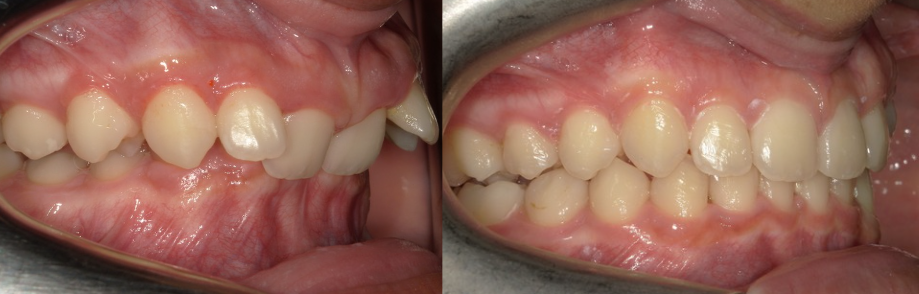
An overjet is the horizontal distance between the upper and lower front teeth. An increased overjet occurs when the upper front teeth protrude significantly further forward than the lower front teeth.
You may recognise an increased overjet when someone's upperfront teeth appear to stick out.
What causes an increased overjet?
Some common causes include:
· Upper jaw positioned too far forward.
· Lower jaw positioned too far backwards.
· Upper front teeth angled forwards.
· Childhood habits such as prolonged thumb sucking.
· A combination of skeletal and dental factors.
Can an increased overjet cause problems?
Yes. Increased overjet can make the upper front teeth more vulnerable to accidental damage, particularly during falls or sporting activities.
It may also affect the appearance of the smile and, in somecases, confidence.
How can an overjet be corrected?
Orthodontic treatment using fixed braces or clear aligners can help reduce an increased overjet.
Depending on the cause and severity, treatment may involve moving the teeth, modifying jaw relationships in growing patients or, in severe skeletal cases, considering orthognathic surgery.
3. What is an underbite?
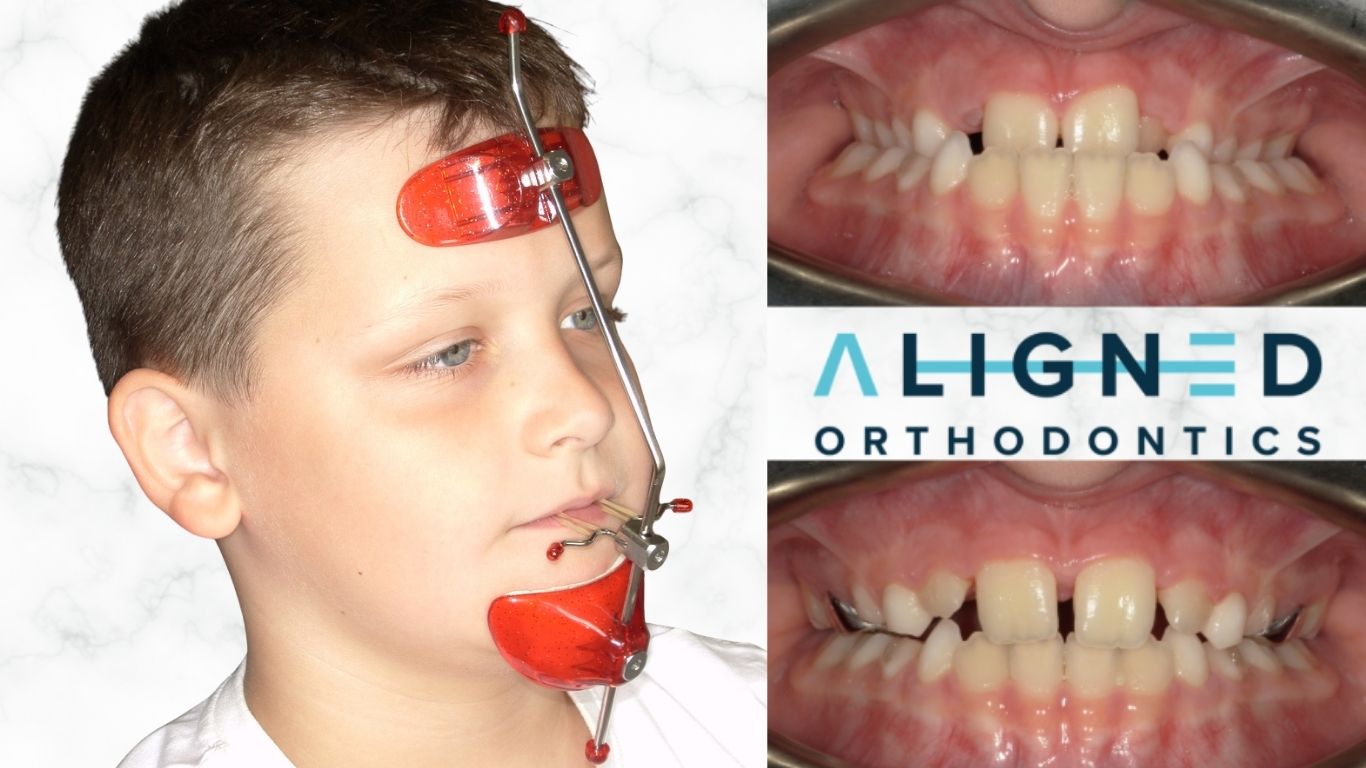
An underbite occurs when the lower front teeth sit in front of the upper front teeth when the mouth is closed. It is commonly associated with a Class III malocclusion.
An underbite can develop because the lower jaw is too farforward, the upper jaw is underdeveloped or there is a combination of both.
What are the symptoms of an underbite?
Common signs include:
· Lower front teeth sitting in front of the upper front teeth.
· A prominent lower jaw.
· Difficulty biting into certain foods.
· Uneven tooth wear.
· Potential chewing or speech difficulties.
Can an underbite be corrected without surgery?
Some underbites can be corrected using orthodontic treatment alone, particularly when the problem is mainly dental.
In growing children, early intervention may help influence jaw development.
However, severe skeletal underbites in adults may require a combination of orthodontic treatment and corrective jaw surgery.
4. What is an open bite?
An open bite is a type of malocclusion where certain upper and lower teeth do not meet when the mouth is closed.
The most common form is an anterior open bite, where the upper and lower front teeth do not touch when biting together.
A posterior open bite occurs when the back teeth fail to make contact.
What causes an open bite?
Possible causes include:
· Prolonged thumb sucking.
· Extended dummy use during childhood.
· Tongue thrusting habits.
· Genetic factors.
· Differences in jaw growth and development.
Does an open bite affect speech?
It can. Some people with an open bite experience difficulties producing certain speech sounds, as well as problems biting into foods such as apples and sandwiches.
How is an open bite treated?
Treatment may include fixed braces, clear aligners or other orthodontic appliances.
The best approach depends on whether the open bite is caused by dental positioning, habits or skeletal development.
5. What is a crossbite?
A crossbite occurs when one or more upper teeth sit inside the corresponding lower teeth instead of slightly outside them when biting together.
Crossbites can affect the front teeth, back teeth or both.
What are the different types of crossbite?
There are two main types:
· Anterior crossbite
This occurs when one or more upper front teeth sit behind the lower front teeth.
· Posterior crossbite
This occurs when one or more upper back teeth bite inside the lower back teeth.
What causes a crossbite?
Crossbites can develop due to differences in jaw width, tooth positioning, jaw development or genetic factors.
Why should a crossbite be treated?
Depending on its severity, a crossbite may contribute to uneven tooth wear, gum recession, functional jaw shifts and difficulties chewing.
In children, some crossbites can affect the development ofthe bite if left unaddressed.
How is a crossbite corrected?
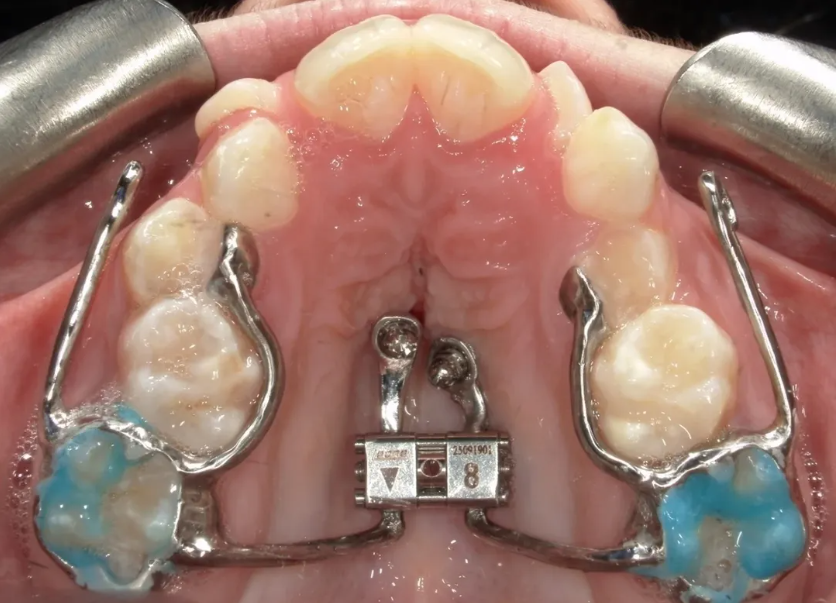
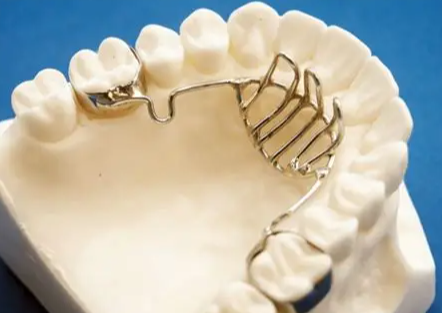
Treatment may involve fixed braces, clear aligners or appliances designed to widen the upper jaw, such as a palatal expander.
The appropriate treatment depends on the patient's age and whether the crossbite is dental or skeletal.
6. What is dental crowding?
Dental crowding occurs when there is insufficient space in the jaw for all the teeth to align properly, resulting in overlapping, rotated or displaced teeth.
Crowding is one of the most recognisable orthodontic problems.
What causes crowded teeth?
Common causes include:
· Genetic factors.
· A mismatch between tooth size and jaw size.
· Premature loss of baby teeth.
· Missing space for permanent teeth to erupt.
· Changes in tooth alignment over time.
Can crowded teeth affect oral hygiene?
Yes. Overlapping and rotated teeth can be more difficult to clean effectively, making it harder to remove plaque and food debris.
This can increase the risk of tooth decay and gum disease if oral hygiene is compromised.
How can dental crowding be corrected?
Orthodontic treatment with fixed braces or clear aligners can help straighten crowded teeth.
Depending on the severity, space may be created through interproximal reduction, expansion or, in selected cases, tooth extractions.
7. What is dental spacing?
Dental spacing is a type of malocclusion where there are noticeable gaps between two or more teeth due to excess space within the dental arch.
One common example is a diastema, which describes a gap between the two upper front teeth.
What causes gaps between teeth?
· Possible causes include:
· Naturally small teeth.
· A larger dental arch.
· Missing teeth.
· A prominent labial frenum.
· Tongue thrusting habits.
· Periodontal disease.
Can braces close gaps between teeth?
Yes. Fixed braces and clear aligners can help close spaces and improve the overall alignment of the teeth.
However, it is important to identify the underlying cause of spacing before treatment, particularly if gaps have developed recently or are associated with gum disease.
8. What is a midline discrepancy?
A midline discrepancy occurs when the centre line between the upper front teeth does not align with the centre line between the lower front teeth or the facial midline.
The dental midline is the imaginary vertical line between the two central front teeth.
What causes a midline discrepancy?
Common causes include:
· Missing teeth.
· Dental crowding.
· Uneven tooth eruption.
· Jaw asymmetry.
· Differences in the size or position of the dental arches.
Can a midline discrepancy be corrected?
Orthodontic treatment can often improve dental midline alignment using braces or clear aligners.
However, treatment depends on the underlying cause andwhether the discrepancy is dental or skeletal.
What are the three main classifications of malocclusion?
In addition to the individual types of malocclusion, orthodontists use Angle's Classification to describe how the upper and lower first permanent molars relate to one another.
The three main classifications are Class I, Class II andClass III.
What is a Class I malocclusion?
A Class I malocclusion occurs when the upper and lower first molars have a normal relationship, but other teeth may be crowded, spaced or rotated.
This is one of the most common orthodontic presentations.
What is a Class II malocclusion?
A Class II malocclusion occurs when the lower first molar is positioned further back relative to the upper first molar.
It is often associated with an increased overjet and may involve a lower jaw that is positioned further backwards.
What is a Class III malocclusion?
A Class III malocclusion occurs when the lower first molaris positioned further forward relative to the upper first molar.
It is commonly associated with an underbite and may involve a prominent lower jaw or an underdeveloped upper jaw.
Can you have more than one type of malocclusion?
Absolutely. It is possible to have several types of malocclusion at the same time. For example, someone may have an increased overjet alongside a deep bite, or dental crowding alongside a crossbite.
This is why a full orthodontic assessment is important before deciding on a treatment plan.
How do you know if you need orthodontic treatment formal occlusion?
Not every malocclusion requires treatment. However, an orthodontic assessment can help determine whether tooth or jaw misalignment is affecting your oral health, bite function or smile.
You may benefit from an orthodontic consultation if you experience:
· Difficulty biting or chewing.
· Protruding or overlapping teeth.
· Noticeable gaps between teeth.
· Jaw discomfort or functional difficulties.
· Uneven tooth wear.
· Frequent cheek or gum biting.
· Concerns about the appearance of your smile.
An orthodontist will assess the teeth, bite and jaw relationship to determine whether treatment is appropriate.
What is the best treatment for malocclusion?
The best treatment for malocclusion depends on the type of bite problem, its severity, the patient's age and whether the underlying cause is dental or skeletal.
Common orthodontic treatments include:
· Fixed braces: Used to move teeth into improved alignment and correct a wide range of bite problems.
· Clear aligners: Removable transparent trays that gradually move teeth into their planned positions.
· Functional appliances: Used in selected growing patients to help modify the relationship between the jaws.
· Palatal expanders: Used to widen a narrow upper jaw in suitable patients.
· Orthognathic surgery: Used in selected severe skeletal cases alongside orthodontic treatment.
A personalised treatment plan is essential because no two malocclusions are exactly the same.
What is the most common type of malocclusion?
Class I malocclusion is generally considered the most common Angle classification. However, individual dental problems such as crowding, spacing and increased overjet are also frequently seen in orthodontic patients.
Is an overbite the same as an overjet?
No. An overbite describes the vertical overlap of the upper front teeth over the lower front teeth, whereas an overjet describes the horizontal distance between the upper and lower front teeth.
What is the difference between a deep bite and anoverbite?
An overbite is the normal vertical overlap of the upper front teeth over the lower front teeth. A deep bite is an excessive amount of this overlap.
Can malocclusion correct itself?
Some mild changes in tooth alignment may occur naturally during dental development. However, many established malocclusions will not correct themselves and may require orthodontic assessment and treatment.
Can adults have orthodontic treatment for malocclusion?
Yes. Adults can have orthodontic treatment to correct many types of malocclusion, including crowding, spacing, overjets, deep bites and crossbites. Treatment options depend on the individual's dental and skeletal condition.
Can clear aligners correct all types of malocclusion?
Clear aligners can treat many mild to moderate malocclusions and some more complex cases. However, not every bite problem is suitable for aligner treatment alone. An orthodontist can assess the most appropriate option.
What happens if malocclusion is left untreated?
Depending on its type and severity, malocclusion may contribute to uneven tooth wear, difficulties with chewing, oral hygiene challenges, gum problems and dental trauma. Some mild cases may not cause significant problems.
At what age should malocclusion be treated?
Children can benefit from an orthodontic assessment from around age seven, particularly where there are concerns about jaw development, crossbites or prominent front teeth. However, treatment timing depends on the individual condition. Adults can also benefit from orthodontic treatment.
Is malocclusion genetic?
Genetics can play an important role in malocclusion. Jaw size, tooth size and patterns of facial development can all be inherited. However, environmental factors and childhood habits can also contribute.
Is malocclusion a dental or skeletal problem?
Malocclusion can be dental, skeletal or a combination of both. Dental malocclusion relates to the positioning of the teeth, while skeletal malocclusion relates to the relationship and positioning of the upper and lower jaws.
Final thoughts: Why is understanding malocclusionimportant?
Malocclusion is much more than simply having crooked teeth. It describes a range of dental and skeletal alignment problems that can affect how the teeth fit together, how the jaws function and, in some cases, overall oral health.
From deep bites and increased over jets to underbites, openbites, crossbites and crowding, understanding the different types of malocclusion is the first step towards recognising potential orthodontic concerns.
Whether you are considering fixed braces, clear aligners or another orthodontic treatment, an assessment by a qualified orthodontic professional can help identify the cause of your bite problem and determine the most appropriate treatment.
A healthy, well-aligned bite is about more than aesthetics.It is also about function, comfort and long-term dental health.