What Is an RME, MARPE, and Orthodontic Facemask Combination?
RME (Rapid Maxillary Expansion), MARPE (Mini-Implant Assisted Rapid Palatal Expansion), and orthodontic facemask therapy are orthodontic treatments used to correct jaw discrepancies, particularly when the upper jaw is too narrow or positioned too far back.
These treatments are designed to improve the relationship between the upper and lower jaws while also creating more space in the upper arch. In growing patients, they can help guide facial development and improve bite function at an early stage.
Traditional RME appliances widen the upper jaw using pressure applied through the teeth, while MARPE appliances use small mini-implants for additional skeletal support. A facemask is then used to encourage forward growth of the upper jaw.
What Is the Difference Between RME and MARPE?
Both RME and MARPE are designed to expand the upper jaw, butthey work slightly differently.
Traditional RME appliances rely mainly on the teeth to deliver expansion forces. This approach is commonly used in younger children because the upper jaw bones are still developing and respond well to treatment.
MARPE, on the other hand, uses mini-implants anchored into the palate to provide more direct skeletal expansion. This can make treatment more effective for older teenagers and some adults where the jaw bones are more developed and resistant to expansion.
Orthodontists choose between RME and MARPE depending on thepatient’s age, skeletal development, and the severity of the jaw discrepancy.
Why Is a Facemask Used Alongside Expansion?
In some patients, widening the upper jaw alone is not enough. If the upper jaw also sits too far back compared to the lower jaw, a facemask may be recommended.
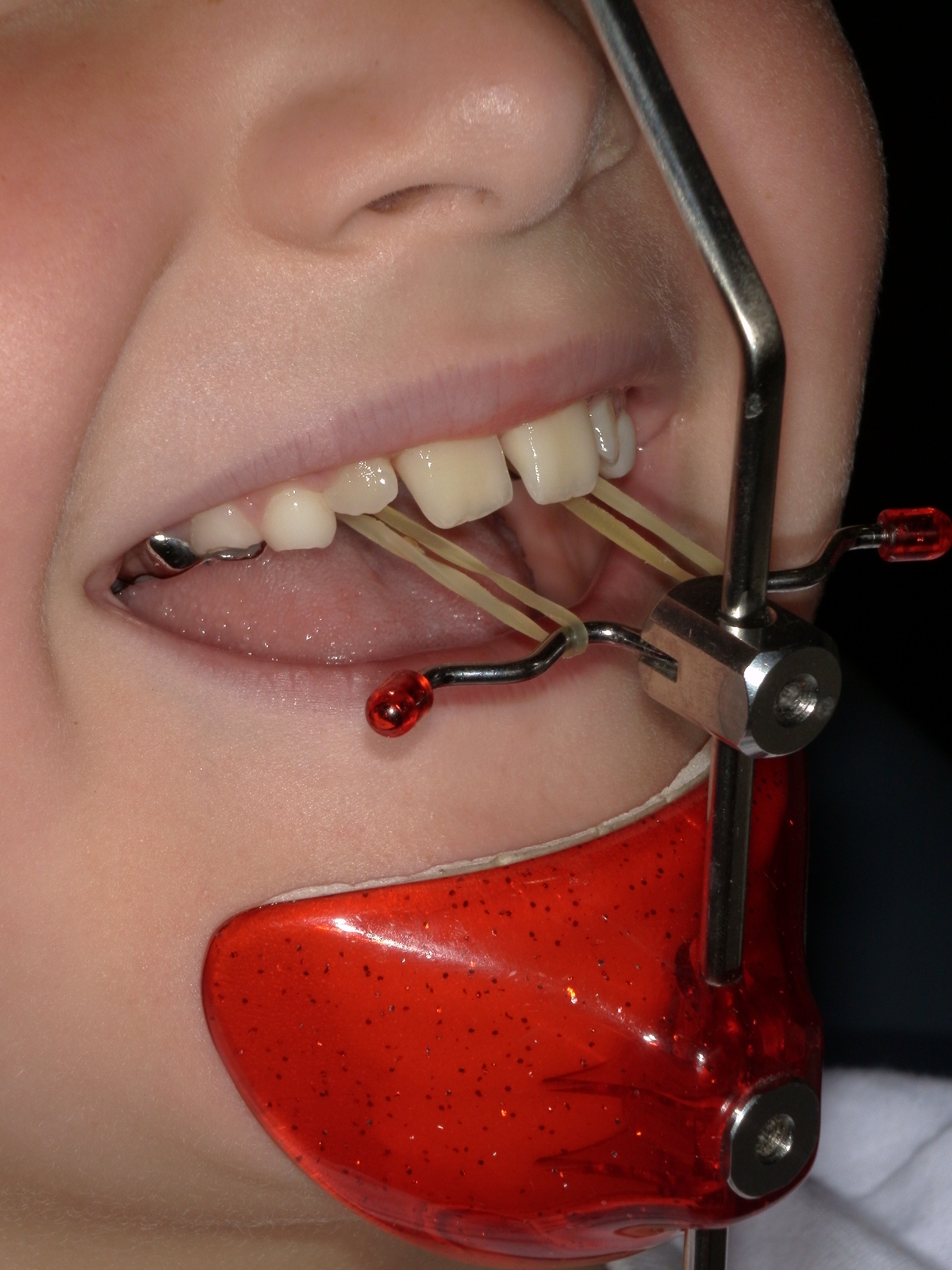
The facemask applies gentle forward traction to the upper jaw using elastics attached to the expansion appliance. This helps improve jaw balance and can reduce the appearance of an underbite or Class III bite pattern.
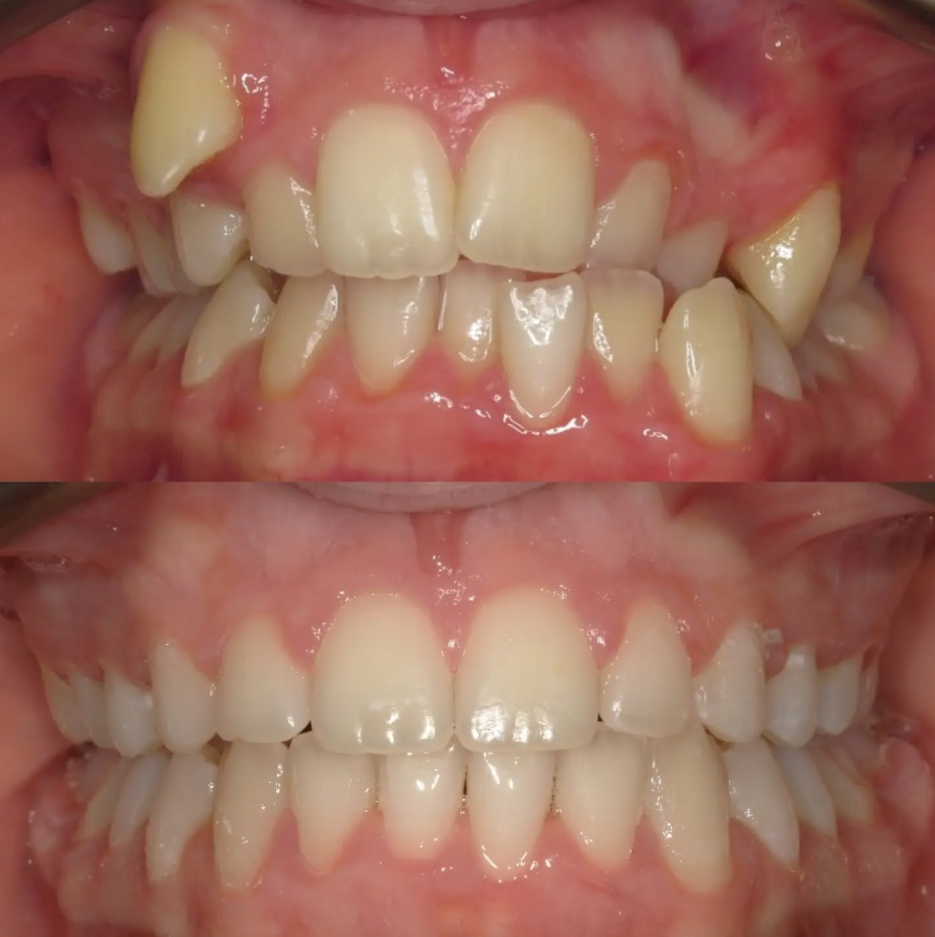
Combining expansion with facemask therapy allows orthodontists to address both width and positioning at the same time.
Who Is a Good Candidate for This Treatment?
RME and facemask therapy are most commonly used in younger children, usually between the ages of 7 and 11, while the jaws are still growing rapidly.
MARPE may be recommended for older teenagers or young adults who require expansion but may not respond as effectively to traditional RME treatment.
Patients who often benefit from these treatments include those with:
Underbites
Crossbites
Narrow upper jaws
Crowded upper teeth
Class III skeletal patterns
An orthodontic assessment and imaging are usually required to determine the best approach.
Is MARPE More Comfortable Than Traditional Expansion?
Both RME and MARPE can create temporary pressure or tightness as the jaw expands. Patients may also notice mild soreness during the adjustment period.
Because MARPE uses mini-implants, some patients experience additional sensitivity in the palate initially. However, most patients adapt quickly, and discomfort is generally manageable.
Orthodontists provide detailed instructions to help patients stay comfortable during treatment.
How Long Does Treatment Take?
The active expansion phase often takes several weeks to few months, depending on the amount of correction needed. Facemask therapy may continue for six to twelve months, particularly in growing patients requiring forward jaw correction.
After expansion and jaw correction are complete, braces or clear aligners are usually used to refine tooth positioning and stabilise the bite.
Treatment timelines vary based on age, growth potential, and the complexity of the case.
Can MARPE Prevent Jaw Surgery?
In some cases, yes. Early treatment with RME, MARPE, and facemask therapy can reduce the severity of skeletal discrepancies before growth is complete.
For younger patients especially, guiding jaw development early may minimise the need for more invasive treatment later in life. However, severe skeletal imbalances in adults may still require orthognathic surgery to achieve ideal results.
An orthodontist can advise whether early intervention islikely to reduce future treatment complexity.
What Happens After Expansion and Facemask Therapy?
Once the active phase is complete, the orthodontist will monitor the stability of the expansion and jaw correction. Further orthodontic treatment is often needed to align the teeth fully and maintain the results.
Retainers are usually recommended after treatment to help preserve the corrected arch width and bite relationship.
Long-term follow-up is important, particularly in younger patients who are still growing.
https://youtu.be/v1Ha8vOyLTE?si=0j6OAB6gFh4XTSnN
Final Thoughts
RME, MARPE, and orthodontic facemask therapy are highly effective treatments for correcting narrow upper jaws and developing skeletal imbalances. By combining expansion with forward jaw guidance, orthodontists can improve bite function, facial harmony, and overall oral development.
Whether using traditional RME or MARPE, early assessment and timely treatment can play an important role in achieving stable, long-term orthodontic results.