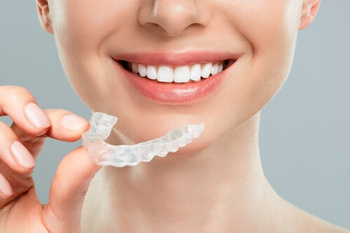
Clear aligners have become an important part of modern orthodontics. They straighten teeth without brackets or wires, using thin, transparent trays that guide tooth movement gradually and comfortably.
If you’ve been told that either Invisalign® or AngelAligners could work for you, it’s natural to wonder what separates them. Inreality, the differences are relatively small, and for most patients thetreatment experience feels very similar.
Both systems follow the same general process: digital scans, computer-based treatment planning, and a series of custom aligners designed to move teeth step by step. They are both focused on comfort, efficiency, and discreet treatment, and both can produce excellent results for teens and growing patients.
Where They Differ
1. Treatment Planning Software
Each company uses its own digital planning software. Orthodontists design tooth movements virtually, but the layout, tools, and workflow differ slightly between systems.
These differences mainly affect how the orthodontist prepares the case rather than how the aligners feel for the patient. Both platforms are capable of creating highly detailed and predictable treatment plans.
2. Aligner Materials
Invisalign® uses its proprietary SmartTrack® material, amultilayer, medical-grade polyurethane resin designed specifically fororthodontic tooth movement. Compared to traditional clear aligner plastics,SmartTrack® material is engineered to deliver more precise control, improvedfit, and more predictable tooth movement throughout treatment.
According to Invisalign®, SmartTrack® material is clinically proven to move teeth up to 50% faster and with up to 75% greater predictability compared to earlier single-layer aligner materials. The material is also FDA-approved and free from BPA, BPS, latex, and gluten, making it suitable fora wide range of patients.
Angel Aligners often use a two-step material system, starting with a softer aligner before progressing to a firmer one. This approach introduces movement more gradually before applying stronger corrective force.
For patients, however, both materials generally feel smooth, comfortable, and well fitted. Day-to-day wear is very similar.
3. Teen-Specific Features
Invisalign® includes optional features designed specifically for younger patients, such as compliance indicators and eruption tabs for teeth that are still developing.
Angel Aligners do not routinely include these extras, although most teen cases can still be treated very successfully without them. The difference lies more in the additional tools available to the orthodontist than in the overall effectiveness of the appliance itself.
4. Clinical History and Availability
Invisalign® has been available internationally for longer and has a large body of research and clinical experience behind it.
Angel Aligners are newer in some regions but are already well established in others. In practice, this mostly affects the orthodontist’s familiarity with each system rather than the quality of treatment the patient receives.
So, Which Is Better?
There is no universal answer.
Both systems are capable of achieving strong, predictable results and rely on the same overall method of guiding teeth into better alignment. While there are technical differences between them, most patients notice very little difference during daily wear.
The most important factors are your bite, growth pattern,treatment goals, and the specific movements your teeth require.
Bottom Line
Invisalign® and Angel Aligners work in very similar ways. They use comparable technology, similar treatment planning methods, and nearly identical daily routines.
For most patients, the experience feels almost the same. Thechoice usually depends more on the orthodontist’s clinical approach andtreatment strategy than on the brand itself.
Your orthodontist evaluates your teeth, jaw development, growth, and overall needs before selecting the system best suited to your case. Their goal is to provide the most reliable, efficient, and comfortable path toa healthy, well-aligned smile ✨
Both systems are capable of delivering excellent results, and the final decision is based on what works best for you as an individual, not simply on the name printed on the box.

.jpg)