How do you stop thumb sucking? This is a common question for parents, particularly when a child continues the habit as their permanent teeth begin to develop.
Thumb sucking is a natural soothing habit for many young children. However, if it continues for a prolonged period, it can affect the developing teeth and bite in some children.
So, what can parents do to help a child stop thumb sucking,and when might an orthodontic habit breaker be considered?
Why Is My Child Still Sucking Their Thumb?
Thumb sucking can provide comfort and reassurance, particularly when a child is tired, anxious, bored or settling down to sleep.
Many children naturally stop the habit as they grow. However, persistent thumb sucking may continue into the stage when the permanent teeth are developing.
The frequency, duration and intensity of the habit can allinfluence its potential effect on the developing teeth and bite.
How Can I Help My Child Stop Thumb Sucking?
The first step is usually to understand when and why yourchild sucks their thumb.
Parents can try:
· Identifying situations when thumb sucking is most common.
· Using gentle reminders rather than criticism.
· Praising your child when they manage without sucking their thumb.
· Providing alternative comfort strategies atbedtime.
· Creating positive goals and celebratingprogress.
· Speaking with a dentist or orthodontist if the habit continues.
Avoid shaming or punishing your child. Positive encouragement can make the process easier.
When Should I Be Concerned About Thumb Sucking?
If thumb sucking continues as the permanent teeth develop, it may be worth discussing the habit with a dentist or orthodontist.
An orthodontic assessment can look at:
· Tooth position
· The developing bite
· Jaw development
· The position of the tongue
· The frequency and duration of thumb sucking
· Whether the habit is affecting dentaldevelopment
An assessment does not automatically mean your child will need treatment.
Can Thumb Sucking Affect My Child's Teeth?
Persistent thumb sucking can place repeated pressure on the developing teeth and surrounding structures.
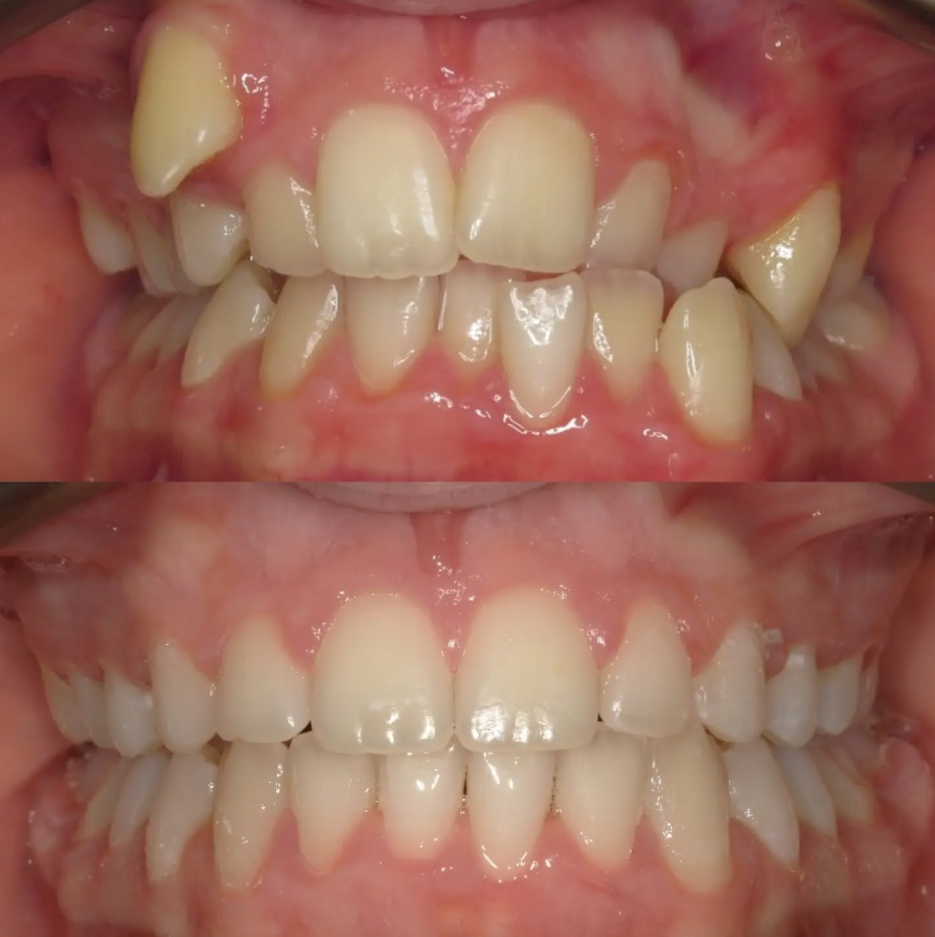
Depending on the individual child, this may contribute tochanges such as an open bite or changes in the position of the front teeth.
Stopping the habit removes the ongoing pressure associated with thumb sucking and may allow some changes to improve as the child grows. However, every child develops differently.
What Is an Orthodontic Habit Breaker?
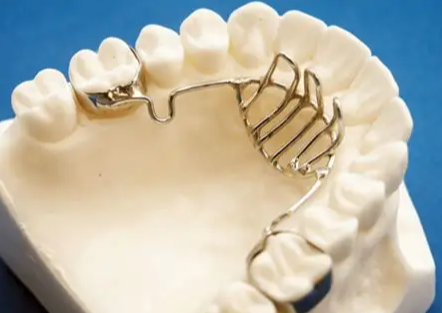
An orthodontic habit breaker is an appliance designed tohelp interrupt persistent oral habits such as thumb sucking.
Rather than relying entirely on reminders or will power, the appliance creates a physical barrier that makes the sucking action more difficult.
Habit breakers can be fixed or removable, depending on the child's needs and the orthodontist's treatment plan.
How Does a Habit Breaker Help Stop Thumb Sucking?
A habit breaker works by interrupting the normal thumb-sucking action.
For children who continue to suck their thumb despite encouragement and behavioral strategies, an appliance can provide an additional physical reminder and make the habit less rewarding.
The aim is to help the child gradually stop the behavior while the orthodontist monitors their developing teeth and bite.
Does My Child Need a Habit Breaker to Stop Thumb Sucking?
Not necessarily.
Some children stop thumb sucking with encouragement and behavioral support alone. Others may benefit from an orthodontic habit breaker, particularly when the habit is persistent or is affecting dental development.
Your orthodontist can assess your child's individual circumstances and explain whether monitoring, behavioral strategies, a habit breaker or further orthodontic treatment may be appropriate.
Can a Habit Breaker Be Used Before Braces?
In some cases, a habit breaker may be recommended before further orthodontic treatment.
Once the thumb-sucking habit has been stopped, the orthodontist can monitor how the teeth and bite develop.
Some children may not need further treatment. Others may still have tooth alignment or bite concerns that could require braces or another orthodontic appliance.
Will My Child Need Braces After Stopping Thumb Sucking?
Not necessarily.
Stopping the habit can remove the ongoing pressure affectingthe developing teeth. Depending on the child's age and individual development,some changes may improve naturally.
If problems with tooth alignment or the bite remain,orthodontic treatment may be considered.
A habit breaker is designed to address the habit, whereas braces are designed to move teeth and improve alignment.
How Long Does a Habit Breaker Take to Stop Thumb Sucking?
Treatment time varies from child to child.
It can depend on:
The child's age
· How long the thumb-sucking habit has been present
· How frequently the habit occurs
· The type of appliance used
· How well the child adapts to treatment
· Whether further orthodontic treatment isrequired
Your orthodontist will monitor progress and advise when the appliance can be removed.
Is a Habit Breaker Painful?
A habit breaker should not normally cause significant pain when fitted correctly.
Your child may initially notice:
· Pressure
· Increased saliva
· A change in speech
· Difficulty eating certain foods
· Awareness of the appliance
These effects often improve as the child becomes accustomed to the appliance.
If your child experiences persistent pain or significant irritation, contact your orthodontic practice.
What Happens After My Child Stops Thumb Sucking?
Once the habit has stopped, the orthodontist can monitor your child's teeth and bite as they continue to develop.
Depending on the individual case, your child may need:
· No further treatment
· Continued orthodontic monitoring
· Braces or another orthodontic appliance
· The aim is to address the thumb-sucking habitwhile supporting healthy dental development.
What Is the Best Way to Stop Thumb Sucking?
There is no single method that works for every child.
For some children, positive encouragement and behavioral strategies are enough. For others, particularly when the habit persists or is affecting the developing bite, an orthodontic habit breaker may be considered.
An orthodontist can assess your child's teeth and bite and explain which options may be suitable.
Frequently Asked Questions About Stopping Thumb Sucking
How can I stop my child sucking their thumb?
Start with positive encouragement, identify when the habit occurs and provide alternative comfort strategies. If the habit persists, speak to a dentist or orthodontist about further options.
At what age should a child stop sucking their thumb?
Children develop at different rates, so there is no single age that applies to everyone. If thumb sucking continues as the permanent teeth develop, an orthodontic assessment may be helpful.
Can an orthodontist help stop thumb sucking?
Yes. An orthodontist can assess the habit and developing bite and may recommend behavioral support, monitoring or an orthodontic habit breaker where appropriate.
What is a thumb-sucking appliance?
A thumb-sucking appliance, also called an orthodontic habit breaker, is designed to make thumb sucking more difficult and help interrupt the habit.
Can thumb sucking cause an open bite?
Persistent thumb sucking can contribute to changes in thedeveloping bite, including an open bite in some children.
Will an open bite fix itself after stopping thumbsucking?
Some bite changes may improve after the habit stops particularly while a child is still growing. However, this varies between children and further orthodontic treatment may sometimes be required.
Does stopping thumb sucking mean my child will needbraces?
No. Some children will not need further orthodontic treatment after the habit has stopped. Others may require braces if tooth alignment or bite problems remain.
Could an Orthodontic Habit Breaker Help Your Child StopThumb Sucking?
If your child is struggling to stop thumb sucking, you donot have to work out the next step alone.
A dental or orthodontic assessment can help determine whether your child would benefit from behavioral support, monitoring, an orthodontic habit breaker or further orthodontic treatment.
The earlier you understand how the habit is affecting your child's developing teeth and bite, the easier it can be to plan appropriate care.