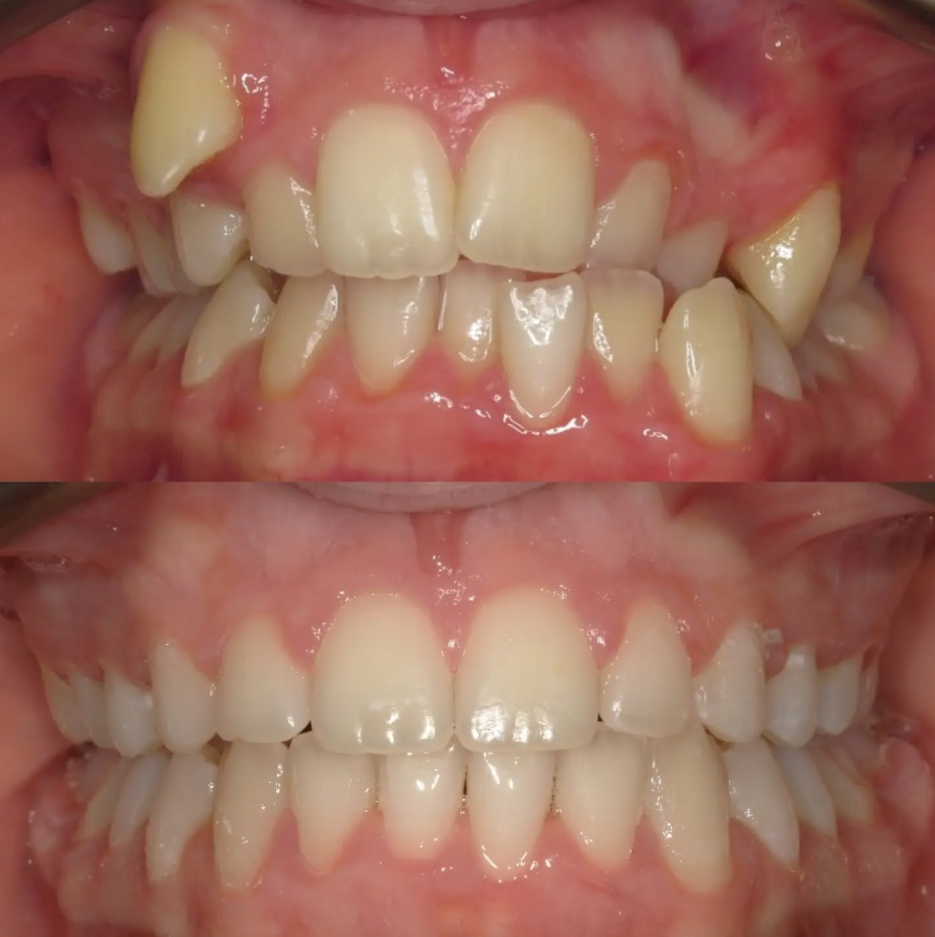
Many parents believe orthodontic treatment only begins once all the adult teeth have come through. In reality, children in the UK can often start orthodontic treatment while they still have baby teeth. In certain cases, early intervention is not only possible but highly beneficial for long-term dental health.
What is early orthodontic treatment?
Early orthodontic treatment, sometimes called interceptive orthodontics, usually takes place between the ages of 6 and 10. At this stage, children have a mixture of baby and adult teeth, and the jaws are still growing. This allows orthodontists to guide development rather than simply move teeth after growth is complete.
Instead of full braces, early treatment often involves simple appliances designed to correct bite problems, create space for incoming adult teeth, and encourage proper jaw growth. Addressing these issues early can make later treatment shorter and less complex.
Can treatment really start with baby teeth?
Yes. Orthodontists frequently treat children who still have several baby teeth. Early treatment may be recommended if a child has significant crowding, crossbites, protruding front teeth, or jaw growth concerns. It may also be advised if baby teeth are lost too early or too late, or if certain habits are affecting the way the teeth and jaws develop.
Starting treatment at the right time can improve facial development, reduce the risk of trauma to prominent front teeth, and often prevent more complicated orthodontic problems in the teenage years.
NHS and private orthodontic options
Orthodontic treatment for children is available on the NHS, but it is subject to strict eligibility criteria. Only moderate to severe cases qualify, and treatment is usually offered once most of the adult teeth have come through. In many areas, waiting lists can be long, meaning children may not be seen at the most ideal developmental stage.
Private orthodontic treatment offers an alternative. It allows children to be assessed and, if needed, treated earlier without waiting for an NHS referral or queue. This can be particularly important when early intervention would make a significant difference to the outcome.
Early orthodontic treatment is available on a private basis at Aligned Orthodontics. This means your child does not have to wait on an NHS waiting list and can be seen at the right time for their growth and development. If treatment is recommended, it can begin when it will be most effective rather than months or years later.
When should a child see an orthodontist?
Most orthodontists recommend a first assessment around the age of seven. At this stage, growth patterns and bite relationships can be evaluated, even if treatment is not required immediately. Many children simply need monitoring until the right time, while others benefit from early intervention.
The benefits of early private orthodontic treatment
Choosing private early treatment can prevent bite problems from worsening, reduce the likelihood of extractions later, and simplify future orthodontic care. It can also improve a child’s confidence during important developmental years.
At Aligned Orthodontics, early assessments focus on gentle, child-friendly care and personalised treatment planning. The goal is to guide growth where necessary and ensure each child receives treatment at the most effective time.

.jpg)