If you're looking for a way to straighten your teeth without drawing attention to your treatment, lingual braces could be the perfect solution. Unlike traditional braces that are attached to the front of your teeth, lingual braces are fitted to the back, making them virtually invisible when you smile.
In this guide, we'll answer the most common questions about hiddenbraces and discreet braces to help you decide whether lingual braces are rightfor you.
What Are Lingual Braces and How Do They Work?
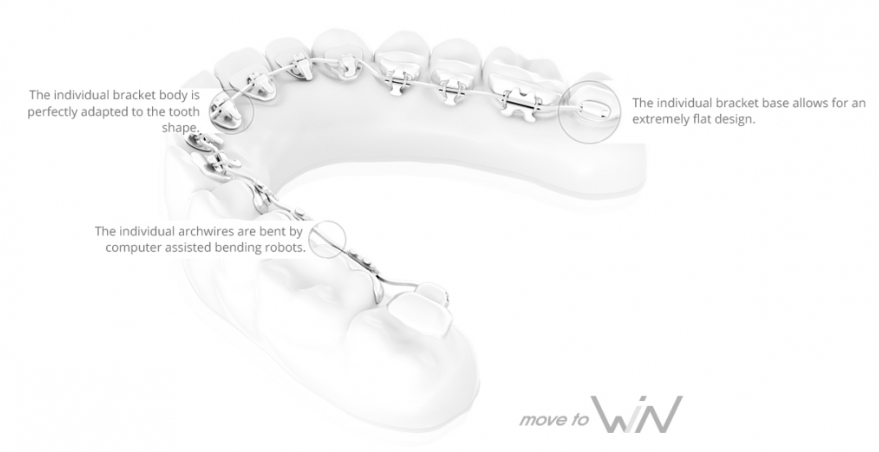
Lingual braces are custom-made orthodontic braces bonded to the inside (tongue side) of your teeth. They work in exactly the same way as traditional fixed braces by applying gentle, continuous pressure to gradually move your teeth into their ideal position.
Because they sit behind your teeth, they're one of the most effective forms of hidden braces available today.
Why Choose Lingual Braces Instead of Traditional Braces?
Many people choose lingual braces because they offer the effectiveness of fixed braces without the visible appearance.
Benefits include:
· Completely hidden from view
· Suitable for complex orthodontic cases
· Custom-made for comfort and precision
· No visible brackets in photos or during conversations
· Ideal for professionals, performers and anyone wanting a discreet treatment
If aesthetics are important, lingual braces are often considered the gold standard in discreet braces.
Are Hidden Braces Worth It for Adults?
For many adults, the answer is yes.
Adults often delay orthodontic treatment because they're concerned about wearing noticeable braces. Hidden braces, such as lingual braces, allow patients to improve their smile while maintaining confidence at work, social events and special occasions.
Although lingual braces may cost more than traditional braces, many patients feel the invisible appearance is well worth the investment.
How Do Lingual Braces Compare to Other Discreet Braces?
There are several types of discreet orthodontic treatments available.
Lingual Braces
· Fixed behind the teeth
· Completely hidden
· Suitable for complex tooth movements
· Cannot be removed
Clear Aligners
· Nearly invisible removable trays
· Easy to remove for eating and brushing
· Best for mild to moderate cases
· Require excellent patient compliance
Ceramic Braces
· Tooth-coloured brackets
· Less noticeable than metal braces
· Fixed to the front of the teeth
· More visible than lingual braces
If you're looking for the most discreet fixed option,lingual braces remain one of the best choices.
Can Lingual Braces Straighten Teeth Without Anyone Knowing?
Yes.
One of the biggest advantages of lingual braces is that they're hidden behind your teeth. Most people won't notice you're wearing braces unless you tell them.
This makes them especially popular with:
· Business professionals
· Teachers
· Actors and performers
· Brides and grooms
· Adults in customer-facing roles
Who Is a Good Candidate for Lingual Hidden Braces?
Lingual braces can successfully treat many orthodontic problems, including:
· Crowded teeth
· Gaps between teeth
· Overbites
· Underbites
· Crossbites
· Crooked teeth
· Bite alignment issues
Your orthodontist will assess your smile and determine whether lingual braces are the most suitable treatment.
What Are the Benefits of Discreet Braces Placed Behind Your Teeth?
Choosing braces that are hidden offers several advantages.
Benefits include:
· Invisible appearance
· Effective for simple and complex cases
· Custom-fit for your teeth
· Confidence throughout treatment
· Precise tooth movement
· No visible metal when smiling
These advantages make lingual braces one of the most popular discreet braces for adults.
Do Lingual Braces Hurt More Than Other Hidden Braces?
It's normal to experience some soreness when braces arefirst fitted or adjusted.
With lingual braces, the tongue may need a short period to adapt because the brackets are positioned behind the teeth. Most patients adjust within a couple of weeks, and any discomfort gradually settles.
Your orthodontic team can provide advice and products tomake the adjustment period more comfortable.
How Long Do Lingual Braces Take to Straighten Teeth?
Treatment times vary depending on the complexity of yourcase.
On average, treatment takes between 12 and 24 months, although some patients may finish sooner or require longer treatment.
Regular appointments and following your orthodontist's advice will help keep treatment on schedule.
Are Lingual Braces the Most Discreet Braces Available?
Many orthodontists consider lingual braces to be the most discreet fixed orthodontic treatment because they're completely hidden behind the teeth.
Unlike ceramic braces, nothing is visible from the front,allowing you to smile with confidence throughout your treatment.
What Should You Expect During Lingual Braces Treatment?
Treatment usually follows these steps:
1. Initial consultation and smile assessment.
2. Digital scans or impressions are taken.
3. Custom lingual braces are manufactured.
4. The braces are carefully fitted behind yourteeth.
5. Regular adjustment appointments guide your teeth into position.
6. Once treatment is complete, retainers help maintain your new smile.
How Much Do Lingual Hidden Braces Cost?
The cost of lingual braces depends on factors such as:
· The complexity of your case
· Length of treatment
· The orthodontic practice
While lingual braces are generally more expensive than traditional braces, many practices offer flexible finance options to spread the cost.
Can Teenagers Get Lingual Braces for a More Discreet Treatment?
Yes.
Many teenagers who are concerned about the appearance of braces choose lingual braces. They're particularly popular among young people involved in sports, music, public speaking and performing arts, where confidence is important.
Final Thoughts
If you're looking for an effective, comfortable and virtually invisible way to straighten your teeth, lingual braces are an excellent option. As one of the most advanced forms of hidden braces, they combine the proven effectiveness of fixed orthodontics with the confidence of a truly discreet appearance.
Whether you're considering treatment for cosmetic reasons or to improve your bite, speaking with an experienced orthodontist is the best way to discover if discreet braces like lingual braces are right for you.

.jpg)