Understanding how NHS orthodontic treatment is assessed can feel confusing, particularly when some people qualify for free braces and others do not.
The answer usually comes down to the Index of Orthodontic Treatment Need (IOTN), a system used throughout the UK to determine who has the greatest clinical need for orthodontic treatment.
What Is the IOTN?
The Index of Orthodontic Treatment Need (IOTN) has been compulsory for NHS-funded orthodontic treatment in the UK since 1st April 2006.
The system was introduced to ensure NHS orthodontic resources are directed toward patients with the greatest treatment need rather than mild or cosmetic concerns.
The IOTN is designed to assess:
· Tooth position
· Bite problems
· Oral function
· Long-term dental health
· Overall orthodontic severity
The more severe the orthodontic problem, the higher the score.
How Does the IOTN Work?
The IOTN is made up of two parts:
1. Dental Health Component (DHC)
The Dental Health Component grades orthodontic problems according to their clinical severity.
Patients are scored from:
· Grade 1 — no treatment need
· Grade 2 — little need
· Grade 3 — borderline need
· Grade 4 — great need
· Grade 5 — very great need
2. Aesthetic Component (AC)
The second element is the Aesthetic Component, which uses a ten-point photographic scale to assess dental appearance.
Rather than assessing individual teeth, this scale is designed to help provide a more balanced assessment and studies have shown strong agreement between orthodontists, parents and children.
What Happens at Each IOTN Grade?
Grade 1 – No Need for Treatment
This includes extremely minor orthodontic issues.
Examples include:
· Tooth displacement less than 1mm
· Very minor irregularities
· Small spacing concerns
NHS treatment would not usually be required.
Grade 2 – Little Need for Treatment
Examples include:
· Mild overjet changes
· Small crossbites
· Tooth displacement between 1–2mm
· Mild open bites
· Minor bite discrepancies
Patients would not generally qualify for free NHS braces.
Grade 3 – Borderline Need
Grade 3 often sits in the middle and may require further assessment.
Examples include:
Moderate tooth displacement between 2–4mm
Moderate overjets
Moderate open bites
Reverse overjets with limited functional concerns
Some Grade 3 patients may qualify depending on appearance scores and additional clinical findings.
Grade 4 – Great Need for Treatment
Patients in Grade 4 will commonly qualify for NHS-funded treatment.
Examples include:
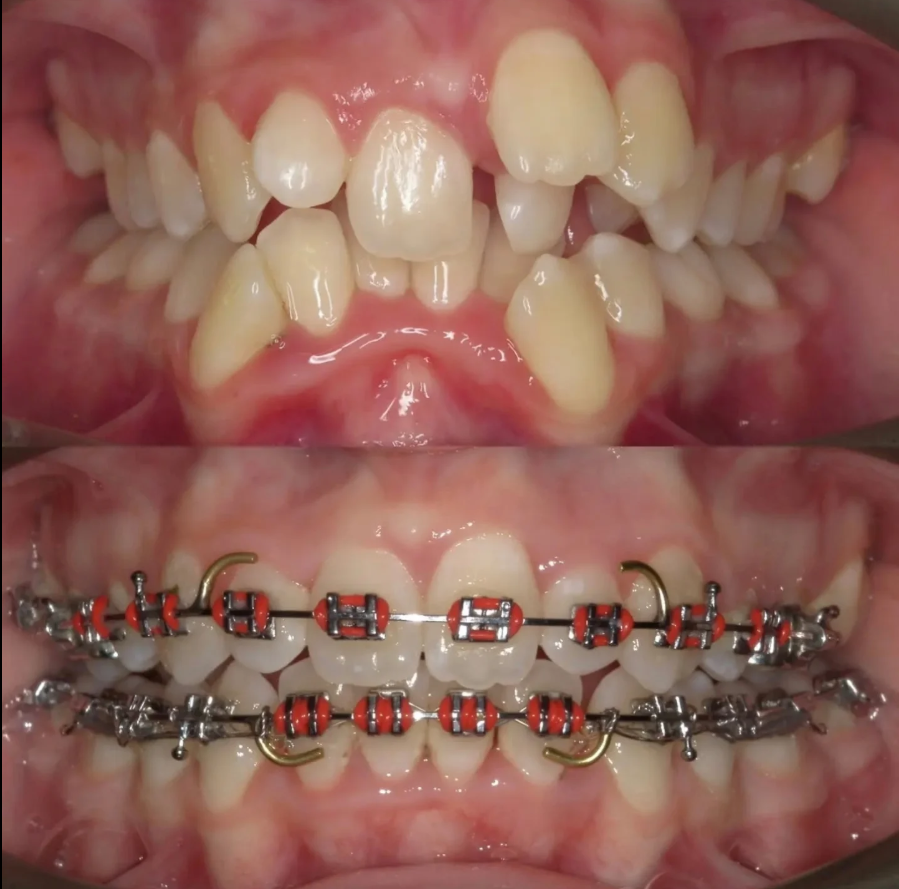
· Increased overjet between 6–9mm
· Reverse overjet greater than 3.5mm
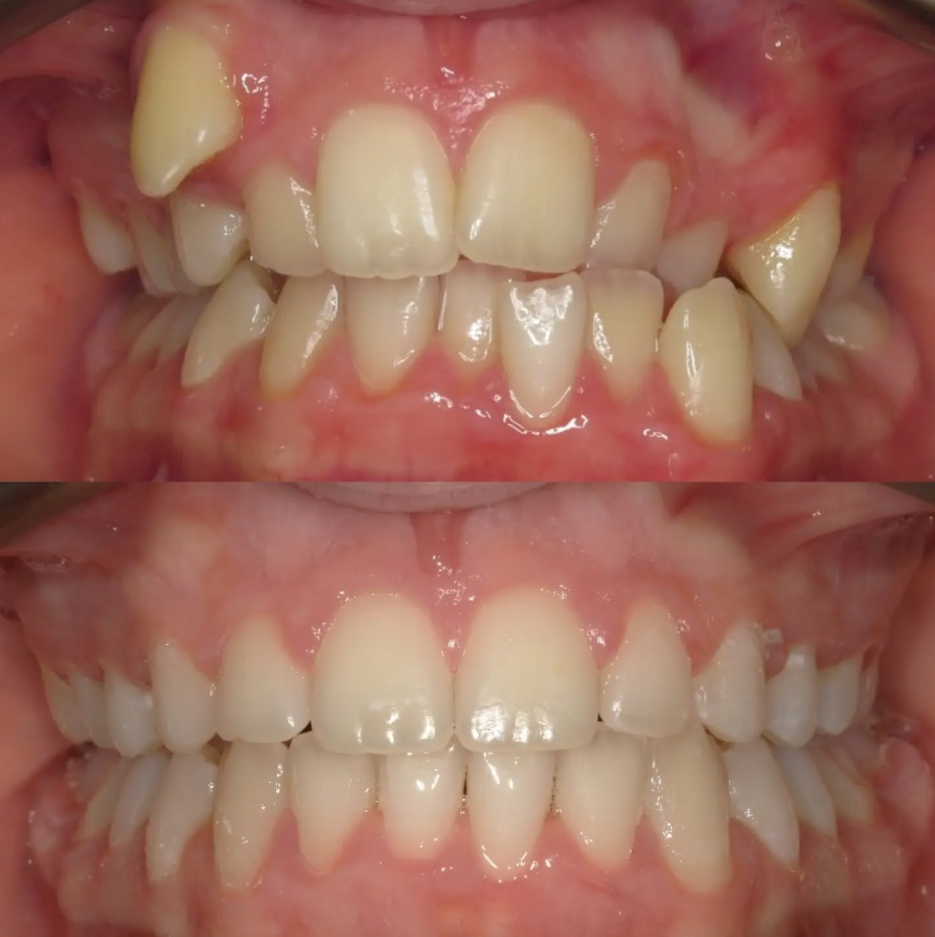
· Severe tooth displacement over 4mm
· Extreme open bites over 4mm
· Overbites causing trauma to the gums or palate
· Missing teeth requiring orthodontic planning
· Significant crossbites
· Impacted teeth
· Extra teeth (supernumerary teeth)
Grade 5 – Very Great Need for Treatment
Grade 5 represents the most severe orthodontic cases and almost always qualifies for NHS treatment.
Examples include:
· Increased overjet greater than 9mm
· Extensive missing teeth requiring complex treatment planning
· Severe reverse over jets with speech or chewing difficulties
· Cleft lip and palate conditions
· Submerged baby teeth
What IOTN Score Do I Need for Free NHS Braces?
In most cases, patients generally need:
Dental Health Component Grade 4 or Grade 5, or
Selected Grade 3 cases with additional qualifying criteria
Patients with lower scores are unlikely to meet NHS eligibility requirements.
The NHS focuses on clinical need rather than cosmetic preference alone.
Does Having Crooked Teeth Mean I Will Automatically Qualify?
No.
This is one of the most common misconceptions.
Many people with mild crowding or slightly crooked teeth fall into lower IOTN categories and would not normally meet NHS criteria.
The fact that teeth are not perfectly straight does not automatically mean treatment will be funded.
Can Adults Get Free Braces Through the NHS?
Adults do not usually qualify for routine NHS orthodontic treatment.
Exceptions can exist where there are severe functional concerns or complex multidisciplinary treatment needs.
Most adult patients choose private treatment options.
Can I Work Out My Own IOTN Score?
Although online information can provide guidance, accurately calculating an IOTN score yourself is difficult.
Orthodontists assess factors including:
· Tooth measurements measured in small incraments
· Bite relationships
· Functional concerns
· Photographs
· X-rays where necessary
· Long-term treatment requirements
· Risks and benefits of treatment (If patient has high rate of decay or poor oral health)
Only a professional assessment can determine your true eligibility.
Frequently Asked Questions
What does IOTN stand for?
IOTN stands for Index of Orthodontic Treatment Need.
What score qualifies for NHS braces?
Generally an IOTN Grade 4 or 5, with some Grade 3 cases potentially qualifying.
Is an overbite enough to qualify?
It depends on how severe the overbite is and whether it creates functional problems.
Can I still have treatment if I do not qualify?
Yes. Private orthodontic treatment options are available even if NHS criteria are not met.
Wondering If You Qualify for NHS Braces?
Every smile is different and the only reliable way to determine eligibility is through a proper orthodontic assessment.
At Aligned Orthodontics, we can assess your teeth, explain your IOTN findings clearly and help you understand all available treatment options.
What age do I need to be to have free braces on the NHS?
If you were referred by your general dentist before the age of 18, you may still be eligible for NHS-funded orthodontic treatment if you meet the required criteria through the IOTN scoring system. Even if you are now over 18, eligibility is based on the date of your referral rather than your current age.