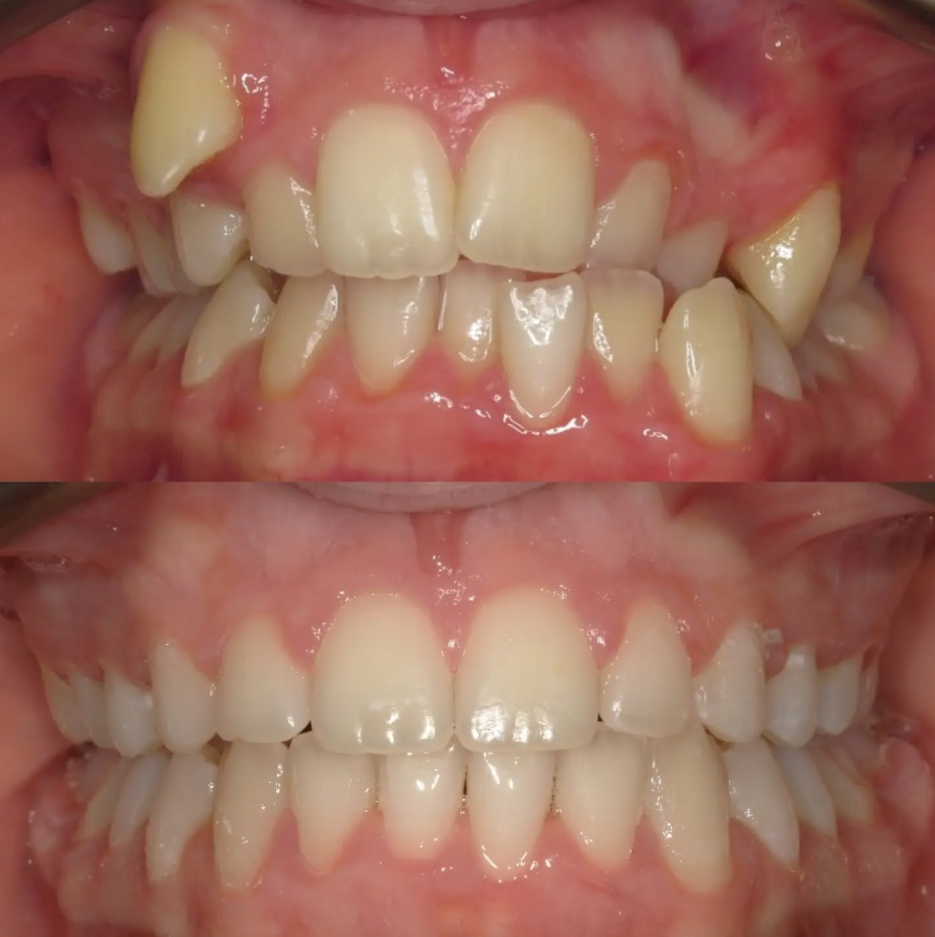
Orthodontic treatment is about more than just straightening teeth. While braces or aligners move teeth into better positions, long-term results can, in some cases, be affected by the way the muscles of the tongue, lips, and cheeks function.
Why Do Muscle Habits Matter?
During your orthodontic assessment, our orthodontist looks not only at tooth alignment and jaw development but also at oral habits that may influence treatment outcomes.
If the orthodontist feels that myofunctional therapy may be beneficial, she will discuss this with you and, where appropriate, may suggest speaking with a myofunctional therapist.
Muscle patterns such as tongue thrust swallowing, mouth breathing, or low tongue posture can, in some cases, be affected by persistent habits. These patterns may place pressure on the teeth and influence how stable your orthodontic results are over time.
What is a Tongue Thrust
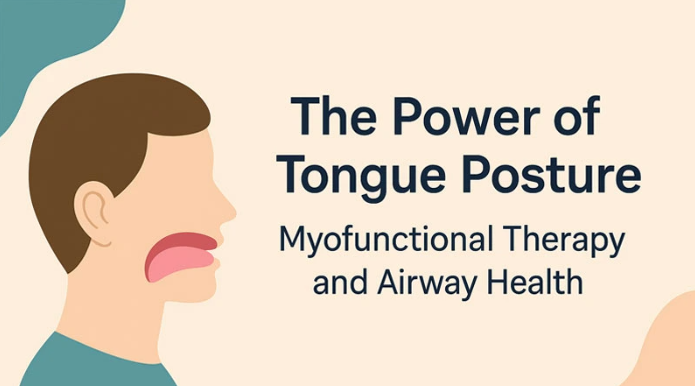
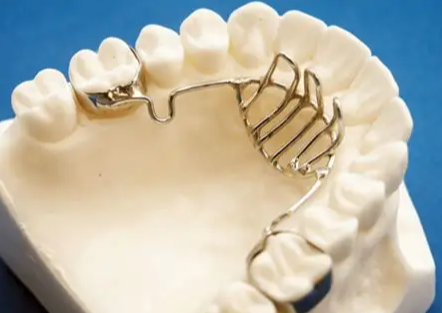
Tongue thrust occurs when the tongue pushes against or between the teeth during swallowing. Over time, this repeated pressure can contribute to spacing issues, open bites, or protruding front teeth.
Orthodontics can correct the tooth position, but if thetongue thrust pattern remains unchanged, the same forces continue to act onyour teeth. Myofunctional therapy focuses on retraining these muscle patterns to support more stable results.
What is the long term Impact of Mouth Breathing
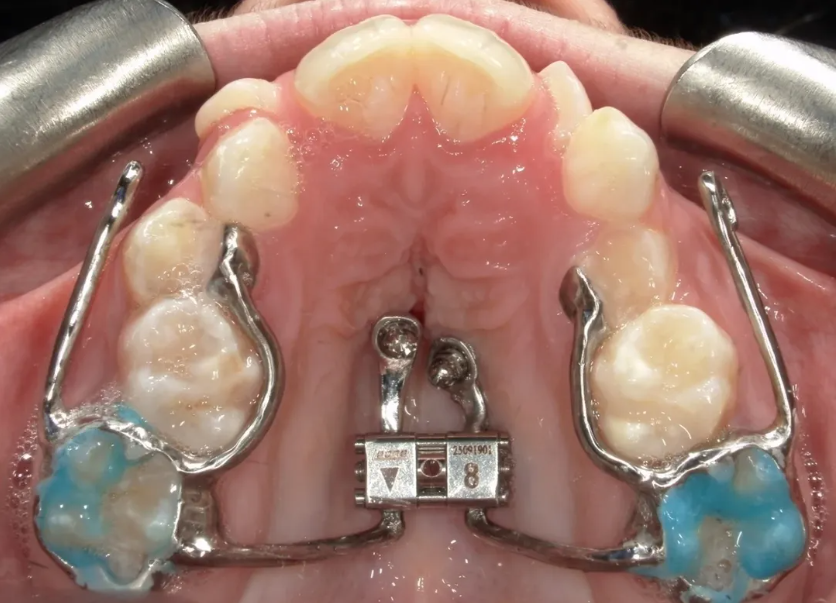
Mouth breathing, particularly in children, in recent research has found to influence facial growth and jaw development. A low tongue posture often accompanies mouth breathing, which may contribute to narrower dental arches or crowding.
If our orthodontist identifies signs of chronic mouth breathing or related concerns, she may suggest discussing with a myofunctional therapist whether targeted exercises could help support nasal breathing and beneficial oral posture.
Is Myofunctional Therapy Always Needed?
Not every patient requires it. Myofunctional therapy is only recommended if it is considered appropriate for your individual needs.
However, when underlying muscle habits are present,addressing them alongside orthodontic care can help achieve more stable, predictable long term outcomes.
Our goal is not just to create a beautiful smile, but to help maintain it for years to come. Sometimes, that means looking beyond the teeth and considering the muscles that influence them every day.