Mewing: Does It Actually Work?
Over the past few years, "mewing" has become one of the internet's most popular facial aesthetics trends. Videos claiming dramatic jawline transformations have accumulated millions of views, with influencers suggesting that simply changing tongue posture can reshape the face, create a stronger jawline, and improve overall facial attractiveness.
But does mewing actually work, and what does the science say?
What Is Mewing?
Mewing is a technique popularized by British orthodontist Dr. John Mew and later promoted by his son, Dr. Mike Mew. The practice involves maintaining proper tongue posture by resting the entire tongue against the roof of the mouth, keeping the lips closed, and breathing through the nose. The modern "mewing" trend became widely popular online around 2018.
Supporters argue that this posture can influence facial development, particularly the growth of the jaw and midface.
The Theory Behind Mewing
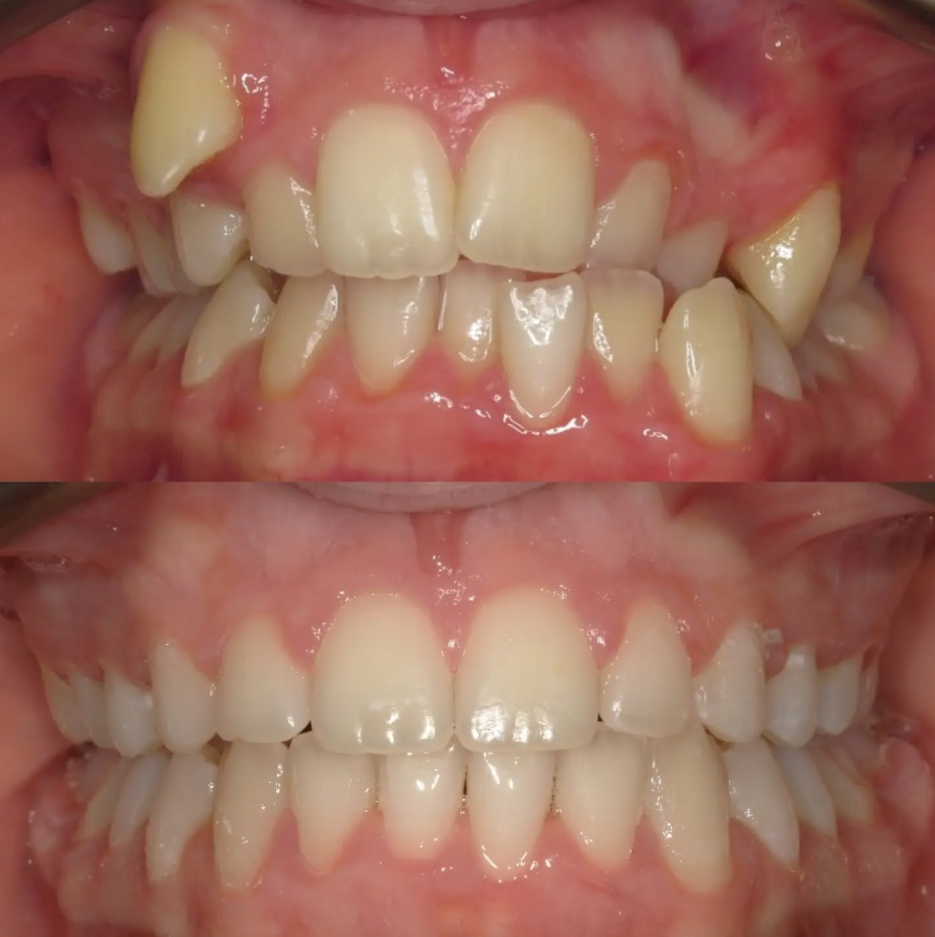
The basic idea is not entirely unreasonable. Bones respond to forces over time, and facial growth is influenced by genetics, hormones, muscle function, and environmental factors. Orthodontic treatments themselves rely on applying forces to move teeth and influence bone remodeling.
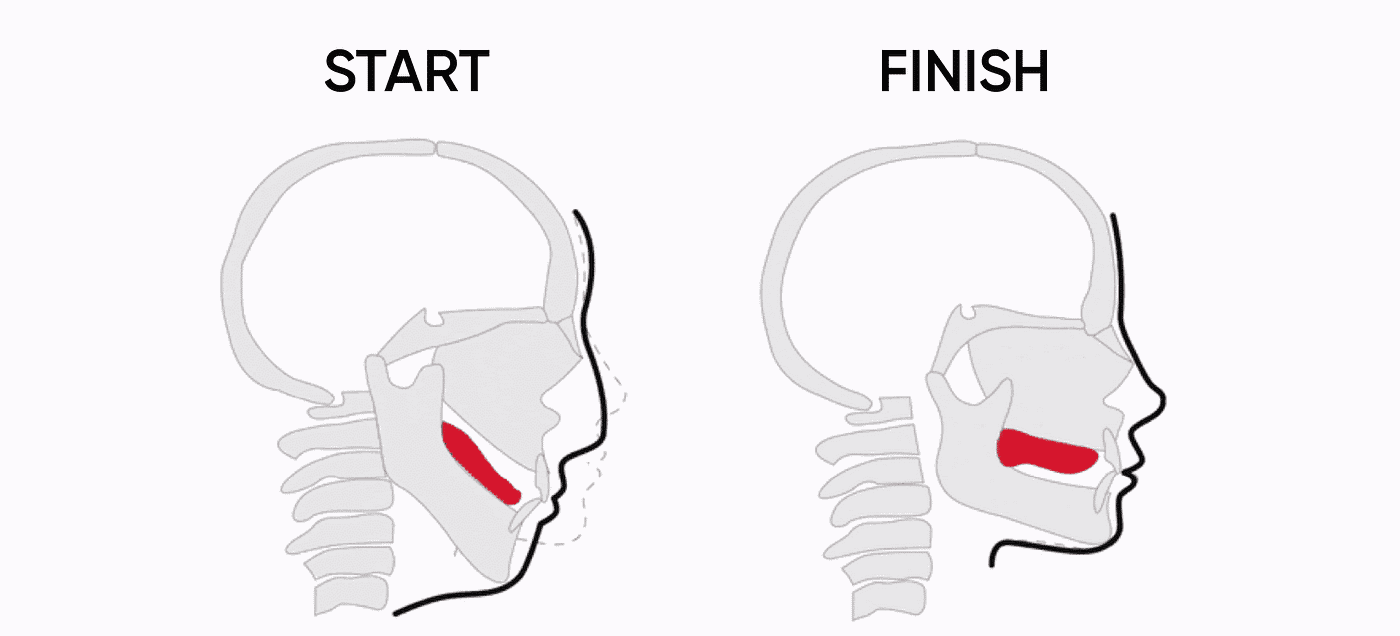
Advocates of mewing suggest that consistent tongue pressure can guide facial growth into a more favorable pattern, leading to wider dental arches, improved facial proportions, and a more defined jawline.
However, the key question is whether normal tongue posture alone can produce the dramatic transformations often shown online.
The Problem With Online Before-and-After Photos
Many of the most convincing mewing transformations come from teenagers and young adults who are still growing.
This creates a major problem when evaluating results.
During puberty, the face naturally undergoes significant changes. The jaw grows, facial bones mature, body fat distribution changes, and hormonal activity increases. In males especially, rising testosterone levels can contribute to a stronger jawline and more pronounced facial features.
When someone begins mewing at age 13 and posts a comparisonat age 18, it becomes difficult to determine what caused the change.
Was it mewing?
Or was it simply normal growth and development?
In many cases, there is no way to know.
Growth Factors and Puberty Matter More Than Many People Realize
One of the most overlooked aspects of the mewing debate is the role of growth factors and puberty.
During adolescence, the body experiences increases in hormones and growth-related signals.
These factors influence bone growth throughout the body, including the facial skeleton.
The mandible (lower jaw), maxilla (upper jaw), and other facial structures continue developing throughout childhood and adolescence. Significant facial changes can occur even without any conscious intervention.
As a result, many of the dramatic transformations attributed to mewing may actually reflect natural growth processes occurring during puberty.
This does not necessarily mean mewing had zero effect, it simply means that separating its impact from normal development is extremely difficult.
What Do Scientific Studies Show?
This is where the discussion becomes more complicated.
Despite the popularity of mewing, there is currently very limited high-quality scientific evidence demonstrating that mewing alone can significantly reshape the facial skeleton in healthy individuals.
Researchers have long recognized that oral posture, breathing patterns, and muscle function can influence facial development. For example, chronic mouth breathing during childhood has been associated with certain facial growth patterns.
However, that is very different from proving that consciously holding the tongue against the palate can dramatically alter jaw structure.
At present:
· There are no large randomized controlled trials showing dramatic jawline improvements from mewing.
· There is limited direct evidence measuring long-term facial skeletal changes caused solely by mewing.
· Many claims rely heavily on personal experiences and social media comparisons.
· In other words, studies do not currently show the kind of dramatic outcomes often promoted online.
Can Mewing Improve Appearance at All?
Possibly, but expectations should be realistic.
Maintaining good posture, keeping the tongue on the roof of the mouth, breathing through the nose, and keeping the lips closed may offer some benefits:
· Better oral posture habits
· Improved nasal breathing in some individuals
· Reduced tendency toward open-mouth posture
· Potential improvements in facial appearance through posture rather than extreme bone changes
Some people also notice that improved neck and head posture can make the jawline appear more defined, even without any structural changes to the bone itself.
The Difference Between Appearance and Bone Growth
One important distinction often gets lost in online discussions.
A more defined jawline does not necessarily mean the jawbone has grown.
Changes in:
· Body fat percentage
· Lighting
· Camera angle
· Head posture
· Neck posture
· Facial expression
can dramatically affect how the jaw appears in photographs.
Many viral transformations may reflect these factors rather than substantial skeletal remodeling.
So, Does Mewing Actually Work?
The most honest answer is: we don't know to the extent many people claim.
Good tongue posture and nasal breathing are generally considered healthy habits. However, current scientific evidence does not demonstrate that mewing alone can consistently produce the dramatic facial transformations often seen on social media.
At the same time, many individuals who report success began mewing during puberty, a period when growth factors, hormones, and natural facial development can significantly change facial structure on their own.
Because of this, it is extremely difficult to separate the effects of mewing from the effects of normal growth.
Final Thoughts
Mewing is not a new phenomenon. Variations of these ideas have been discussed for decades since the 1970s, and the modern internet trend has been around for years. Yet despite its popularity, strong scientific evidence remains limited.
What we do know is that genetics, growth factors, hormones, nutrition, overall health, and puberty play major roles in determining facial development. These factors likely have a far greater influence on jaw growth than tongue posture alone.
For now, mewing should be viewed as a posture habit rather than a proven method of dramatically reshaping the face. While maintaining proper oral posture may be beneficial, the dramatic transformations often promoted online remain largely unproven by current scientific research.