Attachments with Clear Aligners: What Are Those Little Shapes on My Teeth?
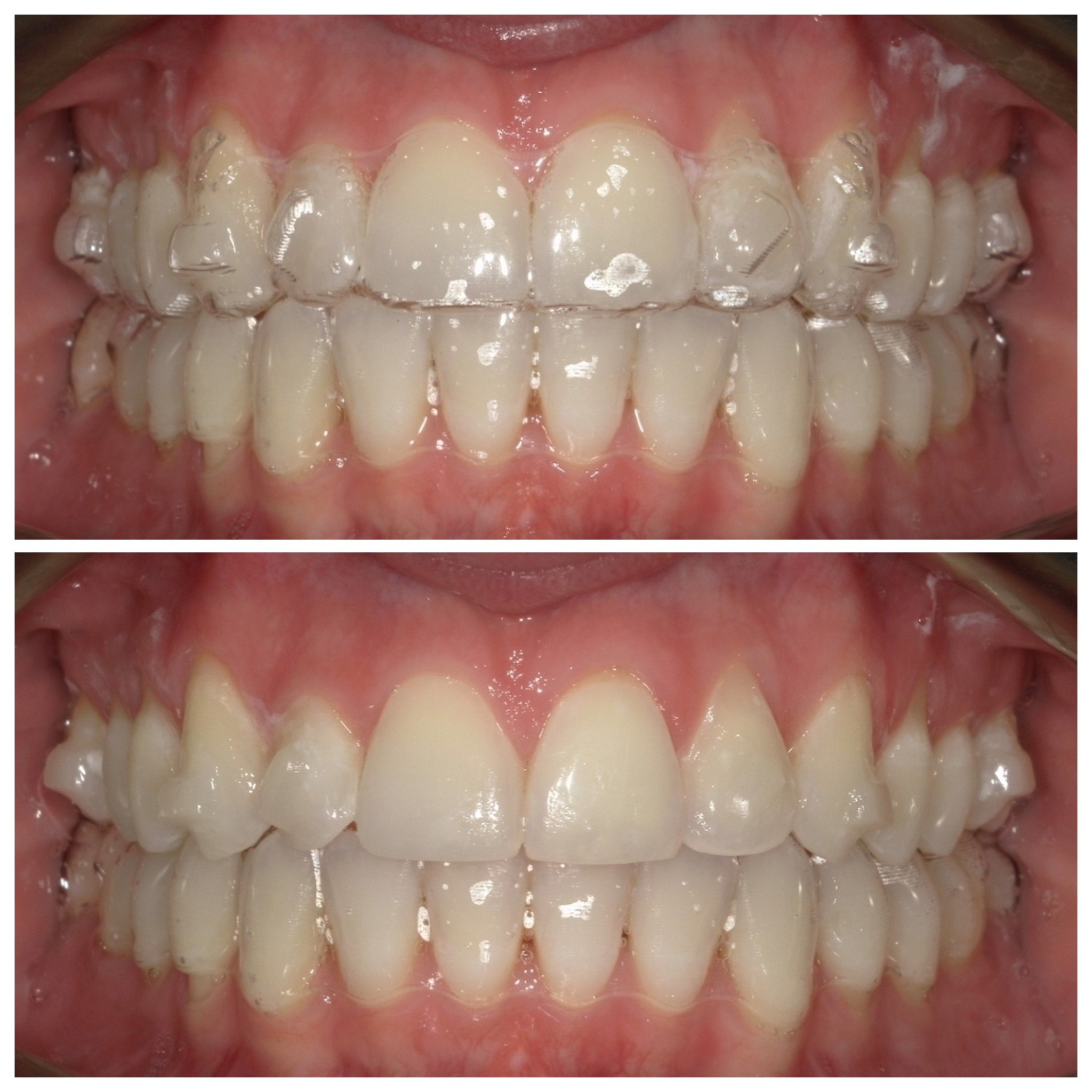
If you’re wearing clear aligners, or thinking about starting treatment, you may have noticed small, tooth-colored bumps placed on certain teeth. These are called attachments, and while they may look tiny, they play a huge role in making your aligner treatment successful.
What Are Attachments?
Attachments are small, tooth-colored shapes bonded temporarily to your teeth during clear aligner treatment. They’re usually made from dental composite material the same type used for white fillings so they blend in with your natural tooth color.
Think of them as handles or anchors that help aligners grip your teeth more effectively.
Why Are Attachments Needed with Aligners?
Clear aligners are smooth and removable, which makes them comfortable and discreet, but also means they sometimes need extra help to move teeth precisely.
Attachments help aligners:
Apply the right amount of force
Move teeth in specific directions
Perform complex movements that aligners alone can’t achieve
Without attachments, aligners would mostly just tip teeth slightly instead of fully rotating, lifting, or shifting them into ideal positions.
Why Are There Different Attachment Shapes?
Not all teeth move the same way, and that’s where attachment shape matters.
Each shape is designed to help with a specific type of tooth movement. Your orthodontist chooses the shape based on what that tooth needs to do.
What Do the Different Attachment Shapes Do?
Rectangular or Square Attachments
These are the most common shapes.
Why are they used?
To rotate teeth
To move teeth forward or backward
To control tooth angulation
These flat surfaces give aligners something solid to push against.
Vertical Rectangular Attachments
These are taller than they are wide.
Why are they used?
To move teeth up or down (intrusion or extrusion)
To improve vertical control of teeth
Common on canines and premolars
They help the aligner “grab” the tooth more effectively.
Horizontal Rectangular Attachments
These are wider than they are tall.
Why are they used?
To help close gaps
To control torque (root movement)
Often placed on molars or premolars
They’re especially helpful for stabilizing larger teeth.
Beveled or Angled Attachments
These have slanted or angled surfaces.
Why are they used?
To fine-tune complex movements
To guide teeth in very specific directions
Often used when high precision is needed
They act like ramps, directing force exactly where it’s needed.
Small or Optimized Attachments
These are custom-shaped by aligner software.
Why are they used?
To make attachments less noticeable
To target specific movements efficiently
Common in modern aligner systems
They’re designed to be as discreet as possible while still effective.
Will Everyone Need Attachments?
Not always, but most patients do.
You may need attachments if:
Your teeth require rotation
You’re closing gaps or correcting crowding
Your bite needs adjustment
You want more predictable results
Simple cases may need very few attachments, while more complex cases may need more.
Do Attachments Damage Teeth?
No, when placed and removed properly.
They are bonded without drilling
They are removed at the end of treatment
Teeth are polished afterward
Your enamel remains healthy when attachments are handled correctly by a professional.
Are Attachments Permanent?
Nope! 😊
Attachments are temporary and stay only for the duration of your aligner treatment. Once your treatment is complete, they’re removed in a quick, painless appointment.
Final Thoughts: Small Shapes, Big Impact
Attachments may be small, but they’re one of the most important tools in clear aligner treatment. Their shape, size, and placement are carefully planned to help your teeth move faster, safer, and more accurately.
So next time you notice those tiny bumps, remember, they’re working hard behind the scenes to give you the smile you’re aiming for 😁

.jpg)